
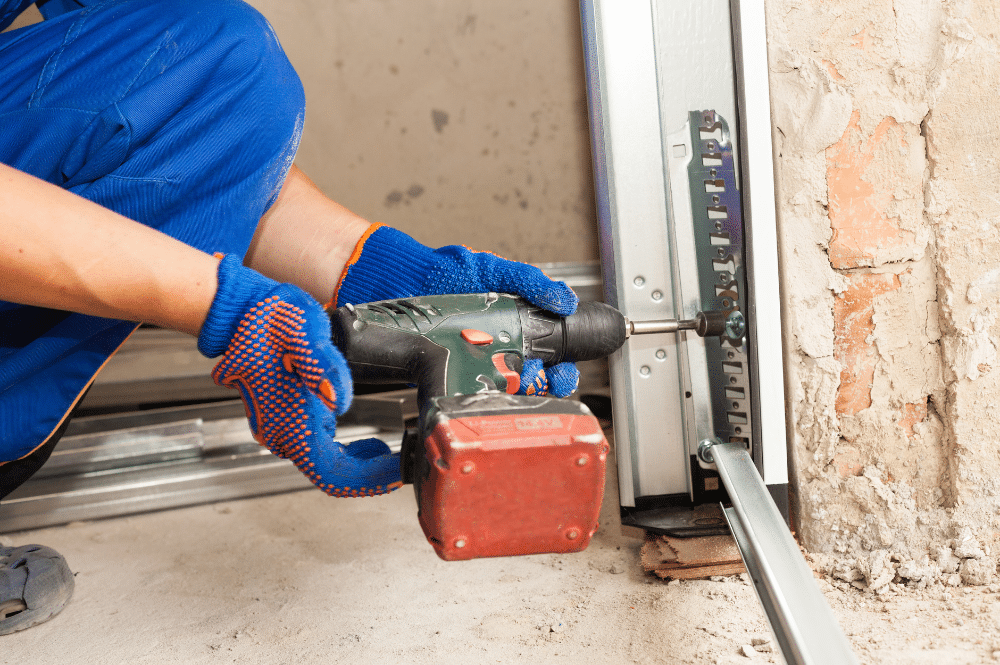
A noisy garage door can turn a quiet evening into a daily annoyance. Whether it’s grinding, rattling, or squealing, these sounds are often your garage door’s way of telling you something is wrong. Fortunately, with the right steps and some regular maintenance, you can eliminate the noise and restore smooth, quiet operation.
In this post, we’ll walk you through why garage doors make noise, how to fix the common causes, and when it’s time to call a professional for a full garage door tune up.
Why Is My Garage Door So Loud?
Garage doors are made up of many moving parts: springs, rollers, hinges, and metal tracks. Over time, these components experience wear, dust buildup, and misalignment, which can lead to excessive noise. The type of sound your door makes can often tell you what’s wrong:
- Grinding: Often caused by worn rollers or dry metal tracks
- Squeaking: Usually a sign of dry hinges or rollers
- Banging or rattling: Loose hardware or misaligned tracks
- Thumping: Unbalanced doors or broken springs
These issues may seem minor at first, but if ignored, they can escalate into costly repairs or even complete system failure.
Step-by-Step: Noisy Garage Door Fix
Here’s how to quiet your garage door, starting with the easiest fixes:
1. Tighten All Hardware
Garage doors move hundreds of times each year, causing vibration that can loosen bolts and screws. Check the brackets, hinges, and track supports. Use a socket wrench to tighten them, but avoid over-tightening which can cause damage.
2. Lubricate Moving Parts
A well-lubricated door is a quiet door. Use a garage door-specific lubricant (not WD-40) on the rollers, hinges, springs, and tracks. Spray lightly and operate the door a few times to distribute the lubricant evenly.
3. Inspect and Replace Rollers
If your door uses metal rollers, they can wear out and become noisy over time. Consider upgrading to nylon rollers, which are quieter and don’t require lubrication. If you see cracked or worn rollers, it’s time to replace them.
4. Check the Hinges
Worn or cracked hinges can cause squeaks and jerks in the door’s movement. If lubrication doesn’t solve the problem, the hinge may need to be replaced.
5. Examine the Tracks
Bent or dirty tracks can cause grinding or scraping sounds. Use a damp cloth to clean the inside of the tracks and check for dents or warping. If the tracks are out of alignment, call a professional to adjust them safely.
Real Customer Experience: Fast, Honest Service
Lisa N. of San Diego had a similar issue:
“Samuel came out to check on my garage door—it had gotten kind of loud and clanky, but wasn’t exactly broken. Samuel was wonderful. He explained what he saw and didn’t try to talk me into buying something I didn’t need. He tightened a bolt that had come off, and that was that. I appreciate his trustworthiness.”
She also shared that she could get a free inspection the next morning, a testament to our fast, responsive service.
Still Hearing Noises? Time for a Professional Tune-Up
If you’ve tried these steps and your garage door is still making noise, it may be time for a full inspection. Worn-out torsion springs, misaligned tracks, or internal motor issues require professional tools and training to repair safely.
At Precise Garage Doors, we offer comprehensive garage door tune up services that include:
- Safety inspection
- Lubrication of all moving parts
- Roller and hardware replacement
- Spring and cable checks
- Balance and alignment adjustments
We also provide fast, affordable noisy garage door fix services for homeowners across San Diego and the surrounding areas.
Don’t let a noisy garage door disrupt your day. Contact Precise Garage Doors today for expert service and long-term solutions.
FAQs
Why does my garage door make a loud noise when opening or closing?
This could be due to loose hardware, worn rollers, or lack of lubrication. A proper tune-up usually resolves these issues.
How often should I lubricate my garage door?
Lubricate moving parts at least twice a year, or more often if you use the door frequently.
Can I use WD-40 on my garage door?
No. WD-40 is a cleaner, not a lubricant. Use a silicone-based or garage door-specific lubricant for best results.
Are noisy garage doors a safety risk?
They can be. Excessive noise might signal worn parts or broken springs, which can fail suddenly and cause injury or damage.
Do you offer garage door tune-up services in my area?
Yes! We proudly serve San Diego and the surrounding areas with expert repairs, maintenance, and tune-ups.
