
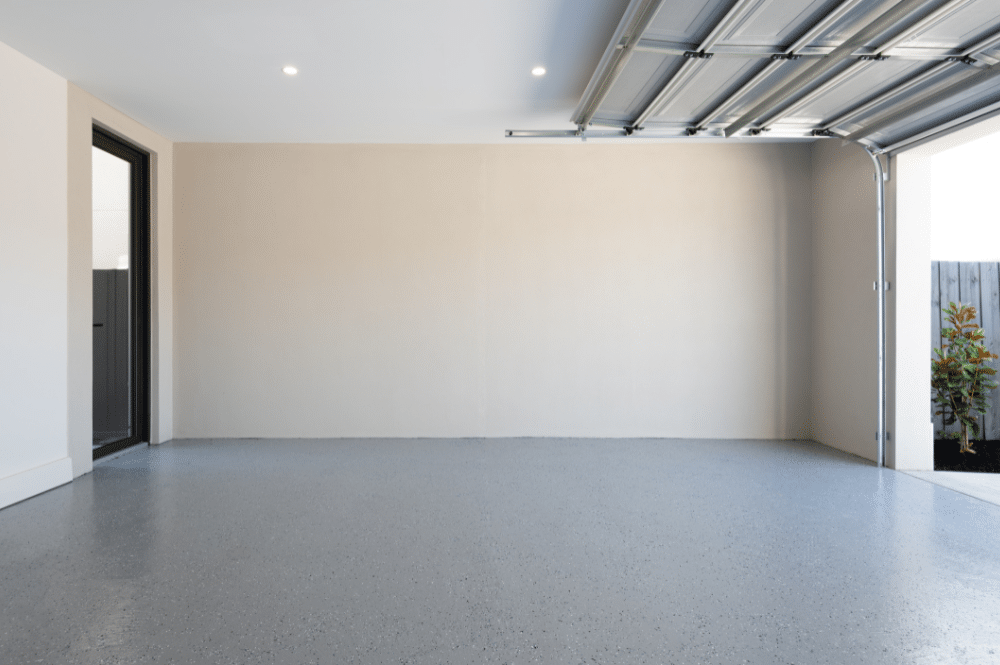
A garage door that won’t close all the way can be more than an inconvenience. It can be a safety risk and a threat to your home’s security. If your door stops short, reverses direction, or doesn’t respond at all, you need to identify the cause quickly. Below, we’ll break down some of the most common reasons your garage door won’t close, what to look out for, and when it’s time to call in a professional.
1. Sensor Misalignment or Malfunction
One of the most frequent reasons a garage door won’t close is a misalignment of the safety sensors. Located near the floor on either side of your garage opening, these sensors communicate with each other to detect if anything is in the door’s path.
If the sensors are misaligned or obstructed by dust, debris, or spider webs, they may send false signals to your garage door opener, stopping the door from closing. Check for blinking lights on the sensor units; this often indicates a disruption. Cleaning the sensors and making sure they’re pointing directly at each other may fix the problem, but if the issue persists, the sensor may need to be replaced.
2. Track Obstructions or Damage
Another reason your garage door may stop short is due to obstructions in the track. Even a small object like a pebble, bolt, or piece of debris can prevent the rollers from moving freely.
Additionally, if the tracks are bent or out of alignment, the door might not be able to travel smoothly to the ground. Inspect the tracks for any visible damage or buildup. Never attempt to realign or repair the tracks yourself, as improper adjustments can lead to further damage or injury.
3. Broken Springs or Cables
Torsion or extension springs are essential in lifting and lowering your garage door. When one of these springs breaks, the door may struggle to move properly or stop entirely before closing. In some cases, the garage door may come crashing down, posing a serious hazard.
Cables connected to the springs can also become worn or snap, leaving the system unbalanced. If you suspect a broken spring or cable, avoid using the door and call a technician immediately. Handling springs without proper training and equipment is extremely dangerous.
4. Limit Settings on the Opener
Modern garage door openers have limit settings that tell the motor how far to move the door when opening or closing. If these limits are set incorrectly, your garage door might stop too soon or reverse before fully closing.
While many garage door openers allow for manual adjustment of the limit settings, it’s best to refer to your opener’s manual or have a professional fine-tune it to prevent accidental damage.
5. Electrical or Remote Issues
Sometimes the issue isn’t mechanical at all. If your garage door won’t close using the remote or wall switch, there could be an issue with the opener’s electrical system, power supply, or remote batteries. Double-check the wall control panel, replace batteries in your remote, and ensure your opener is plugged in and receiving power.
When to Call a Professional
While some issues, like cleaning the sensors or replacing remote batteries, can be addressed quickly, many problems require the expertise of a trained technician. Attempting to repair or adjust components like springs, tracks, or opener settings without proper tools can lead to further damage or injury.
If your garage door won’t close completely and you’re unsure why, it’s time to contact a garage door repair San Diego expert you can trust.
Precise Garage Doors proudly serves San Diego and the surrounding areas with fast, affordable, and reliable garage door services. Whether you need a simple tune-up or an emergency repair, our team is here 24/7 to help.
Don’t let a malfunctioning garage door compromise your safety. Contact Precise Garage Doors today for expert service you can count on.
FAQs
Why won’t my garage door close all the way, even though nothing is blocking it?
Misaligned or dirty sensors, incorrect opener settings, or damaged tracks may be to blame. It’s best to have a professional inspect the system.
Can I fix a garage door that won’t close by myself?
While minor fixes like cleaning sensors or changing remote batteries are safe, mechanical issues like broken springs or bent tracks should be handled by a professional.
What should I do if my garage door starts to close, then reverses?
This is often caused by sensor interference or incorrect limit settings. Try cleaning the sensors, but call a technician if the problem continues.
How do I know if my garage door spring is broken?
If your door feels heavy, won’t stay open, or you hear a loud snap, the spring may be broken. Avoid using the door and call for professional service.
Do you service areas outside of San Diego?
Yes! In addition to San Diego, we proudly serve surrounding areas with the same high-quality repair and installation services.
